If you live along the coast, your roof does more than cover your home—it battles sun, wind, rain, humidity, and salt air daily. These conditions take a toll over time, and understanding when to replace your roof can save you from expensive repairs, water damage, and even compromised safety.
So, how often should homeowners in the Coastal South realistically plan for a roof replacement? In this blog, we’ll break it down.
1. Typical Lifespan of Roof Materials
Not all roofs are created equal. The lifespan depends largely on the material:
- Asphalt Shingles: Usually 15–25 years in coastal climates. Exposure to the sun and salt can shorten lifespan.
- Metal Roofs: Often 40–70 years. They resist wind and corrosion, making them ideal for high-humidity areas.
- Tile Roofs: Clay or concrete tiles can last 50+ years but may require occasional repairs after storms.
- Wood Shakes: 20–30 years, but they need proper maintenance to resist moisture and pests.
Understanding your roof type is the first step to predicting when replacement might be needed.
2. Signs Your Roof May Need Replacement
Even if your roof isn’t at the “average” age for replacement, warning signs are key indicators:
- Curling or missing shingles
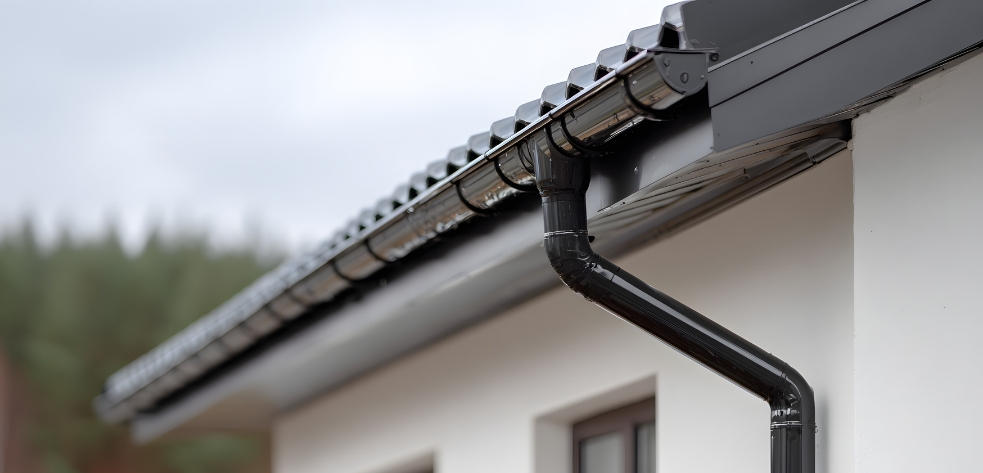
- Granule loss (black streaks in gutters or downspouts)
- Leaks or water stains inside the home
- Sagging roof deck
- Damaged flashing around vents, chimneys, or skylights
Coastal homes often experience accelerated wear, so noticing these signs early can prevent serious damage.
3. Coastal Climate Considerations
Living near the water comes with unique roofing challenges:
- Salt Air: Accelerates corrosion on metal roofs and damages asphalt granules.
- High Humidity: Can encourage mold, mildew, and wood rot under shingles.
- Wind & Storms: Strong coastal storms can loosen shingles or displace tiles.
- Sun Exposure: UV rays break down asphalt and fade colors over time.
For these reasons, even roofs that are technically “mid-life” may need inspection sooner than inland homes.
4. Maintenance Can Extend Roof Life
While you can’t control the weather, regular maintenance makes a big difference:
- Clean debris, leaves, and salt buildup regularly.
- Trim overhanging branches to prevent damage.
- Schedule professional inspections annually, especially after storms.
- Address minor repairs quickly before they escalate.
Routine care can extend your roof’s life by several years, delaying replacement and protecting your home.
5. Professional Inspections Are Key
A local, experienced roofing company understands how coastal conditions impact roofs. Professionals can:
- Spot hidden damage that isn’t obvious from the ground.
- Evaluate whether repairs are sufficient or replacement is necessary.
- Recommend the best materials and installation methods for longevity in your area.
For homeowners in the Coastal South, an inspection every 1–2 years is a smart investment.
6. Timing Your Roof Replacement
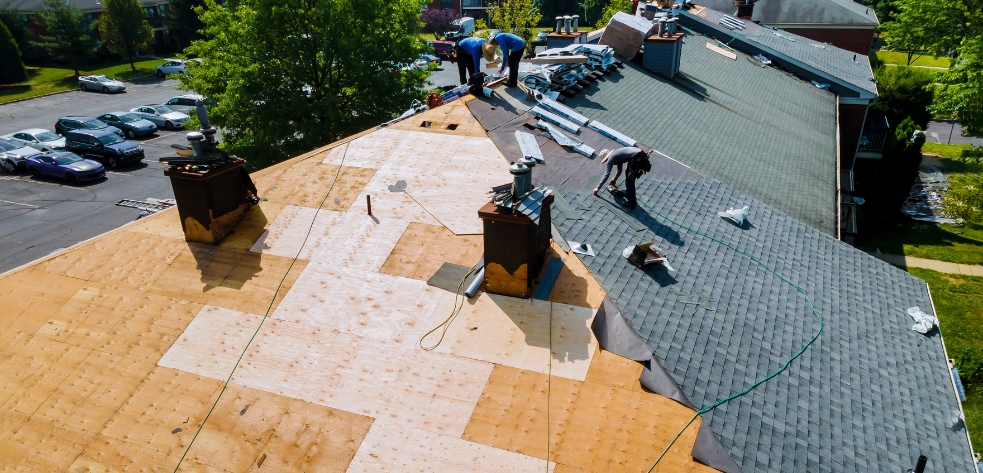
Most asphalt roofs in the coastal region need replacement every 20–25 years. Metal and tile roofs last longer, but storm damage or environmental wear may shorten their lifespan. The goal isn’t just hitting a specific year—it’s about maintaining a safe, weather-resistant home.
Replacing your roof at the right time ensures your property stays protected and can save thousands in costly repairs down the line.
Protect Your Coastal Home With a Durable Roof from Sea Island Residential
At Sea Island Residential, we specialize in roofing solutions tailored to the Coastal South. From inspections and maintenance to full replacements with high-quality materials, we help homeowners protect their investment against the unique challenges of coastal living.
Contact us today to schedule a professional roof inspection and ensure your home stays safe, comfortable, and weather-ready for years to come.