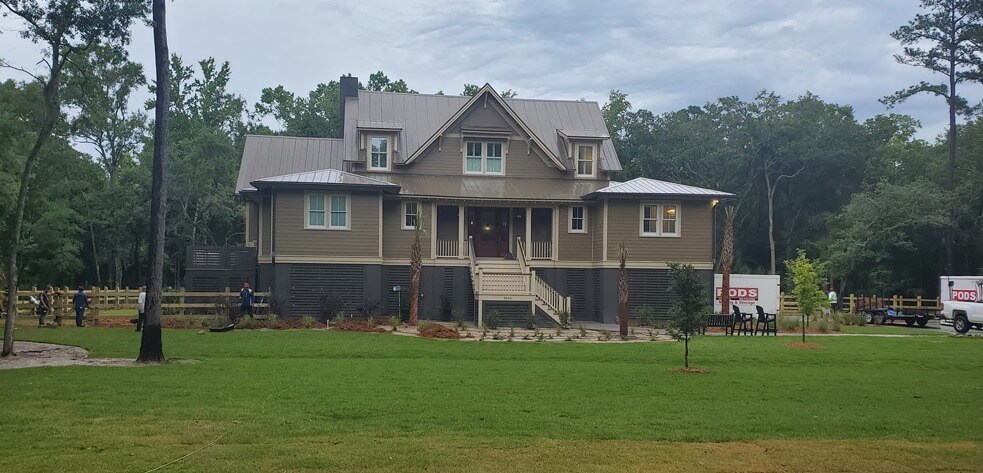
Owning a coastal home means the exterior never gets a break. Salt air, sudden storms, and humidity all erode shingles and gutters. A complete exterior renovation can feel overwhelming, but spreading the work over 5–10 years makes it more manageable, protects your house from water damage, and allows you to choose materials that will last.
In this blog, we’ll share a practical plan for homeowners in the Lowcountry who want to prioritize roofing and gutters without breaking the bank.
Start with a clear inspection (and take notes)
Before you pencil in a timeline, hire a trusted local pro for a walk-around gutter and roof inspection. A good inspection will tell you:
- Estimated remaining life of your roof (shingles, metal, underlayment).
- Condition of flashing, chimneys, vents, and soffits.
- Whether gutters are correctly sized, pitched, and draining away from the house.
- Any early signs of water intrusion in attics, soffits, or fascia.
Ask the inspector to take photos and mark urgency (Immediate / Monitor / Low priority). Those photos are gold when you’re planning costs and phases.
Why prioritize roof and gutters together
Roofs and gutters are a system, not separate parts. A failing gutter can cause a perfectly maintained roof to fail faster—water that pools at the eaves will rot the fascia, blow off shingles, and create attic leaks. Whenever you’re budgeting, pair roof work and gutter work where possible: you’ll save on labor, flashing replacement, and future callbacks.
Realistic budgeting fundamentals
Costs vary depending on the home’s size, roof pitch, material choice, and accessibility. Instead of precise quotes here, use these rules of thumb:
- Plan for ranges, not exacts. For a typical Charleston single-family home, a complete asphalt shingle roof replacement typically falls within a broad range (lower to upper), while metal roofs sit at a higher end but last much longer.
- Break the total into yearly savings. If you expect a $20,000 roof in 8 years, saving $2,500 a year gets you there without debt (or with a larger down payment if you finance).
- Layer an emergency reserve. Set aside 10–15% of the project cost for unexpected storm-related expenses or hidden rot that may be discovered during the work.
A phased 5–10 year plan
Years 1–2 — Inspect, clean, minor fixes
- Full exterior inspection, attic check for leaks.
- Clean gutters and downspouts; install temporary leaf guards if needed.
- Replace flashing around chimneys, vents, and valleys.
- Budget: Small—mainly inspection + cleaning (annual maintenance).
Years 3–5 — Preventive upgrades
- Install permanent gutter guards (good ones reduce cleaning & critter problems).
- Replace any failing sections of the gutter, and extend the downspouts to direct water away from the foundation.
- Roof tune-up: replace damaged shingles, reseal ridge caps, and check underlayment in suspect areas.
- Budget: Moderate—a few thousand for guard systems and minor roof repairs.
Years 6–8 — Major gutter or localized roof work
- Replace the whole gutter system if it is rusted/corroded; switch to higher-quality materials (aluminum, coated steel).
- Address drainage improvements around landscaping to prevent pooling near the foundation.
- Budget: Moderate to high, depending on gutter length and landscape changes.
Years 8–10 — Full roof replacement (if due)
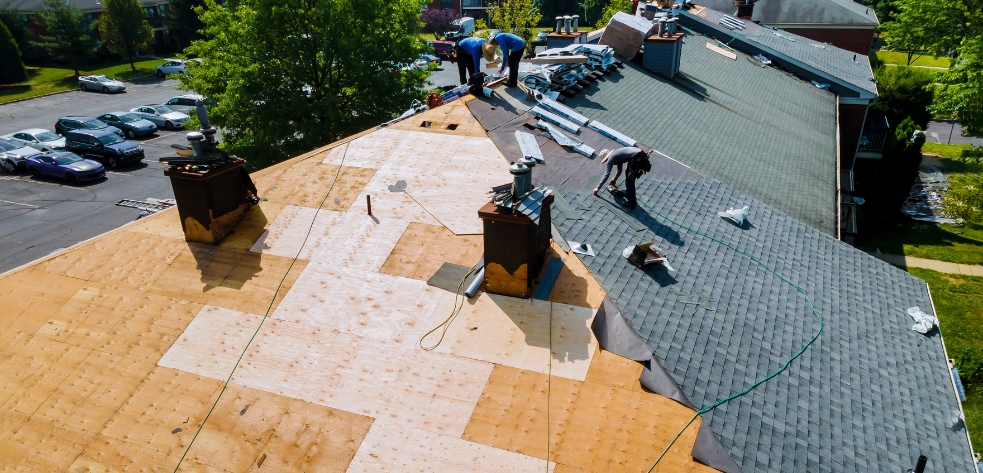
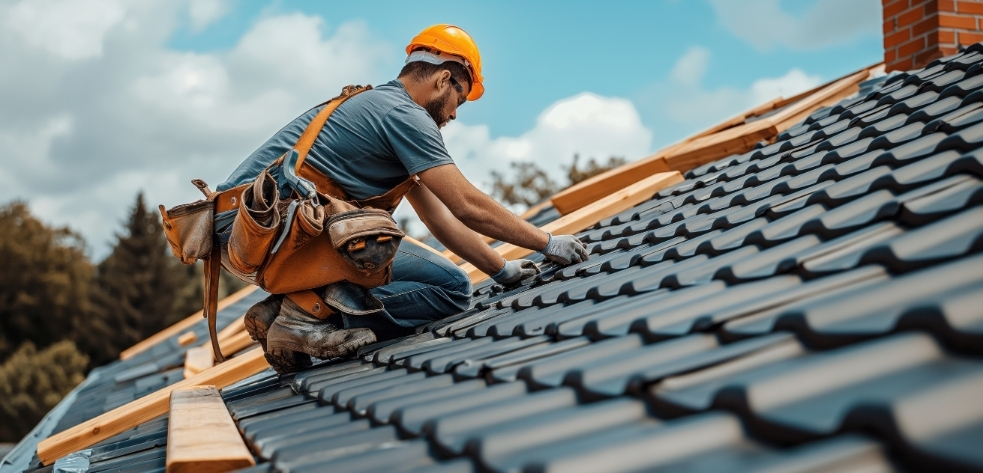
- Replace the roofing system, pair with new gutters, and upgrade flashing.
- Consider architectural shingles, standing seam metal, or high-wind rated options for longevity in the Lowcountry.
- Budget: Highest—plan and finance accordingly.
Material choices that matter on the coast
- Asphalt architectural shingles: Affordable, 15–25 year life (varies with salt exposure).
- Metal roofing (standing seam): Higher upfront cost, 40+ year life, excellent wind resistance.
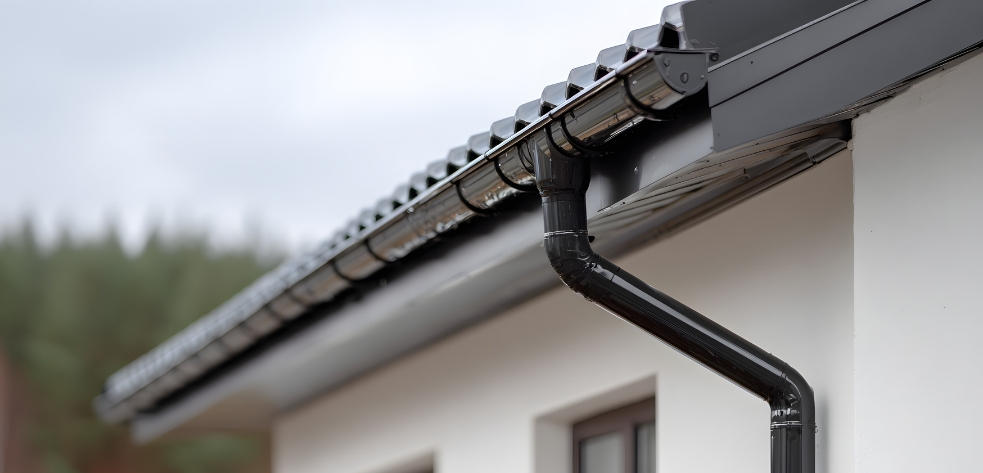
- Gutters: Aluminum resists corrosion and is low-maintenance; heavier gauge and proper coating help in areas with salt air.
- Gutter guards: Choose gutter cover systems designed for heavy-leaf conditions—inexpensive screens often clog and defeat the purpose.
Maintenance: small habits, significant savings
- Clean gutters twice a year (spring & late fall), more often if you have large oaks.
- Inspect the attic after major storms. Look for damp insulation, dark streaks, or a mildew smell.
- Keep downspouts clear and routed at least 5–10 feet from the foundation if possible.
- Schedule a roof check after any hurricane-force winds.
How Sea Island Residential helps
At Sea Island Residential, we understand what it takes to protect local Lowcountry homes while promoting features such as energy efficiency and long-term durability. From roof replacements to gutter guards and beyond—we provide solutions designed to safeguard your home against the coast’s most challenging conditions.
Trust Sea Island Residential for Exceptional Quality Roofing and Gutters in Charleston, SC
Coastal weather isn’t hypothetical—storms, salt, and humidity are part of Lowcountry living. A phased, realistic renovation plan keeps your exterior performing and spreads cost into manageable chunks. Prioritize roof and gutters first; they protect everything else.
Do you need a personalized 5–10 year plan for your home? Schedule an inspection, and let’s talk about how to enhance your home’s exterior without unnecessary stress, surprise costs, or rushed decisions. Whether it’s a new roof, roofing repair, or gutter replacement, our experienced exterior construction team utilizes top-quality materials and expert craftsmanship to protect your property and enhance its curb appeal. Reach out now for a free consultation.