If you own a home along the South Carolina coast, you already know how quickly the weather can change and how important it is to be prepared. The South Carolina Safe Home Grant Program was designed to help homeowners strengthen their properties against high winds and storms. But navigating the application process isn’t always straightforward.
This blog offers a clear breakdown of how to apply and how to give yourself the best shot at getting approved.
Step 1: Make Sure You’re Eligible
Before anything else, confirm that your home qualifies. The program is generally geared toward:
- Owner-occupied primary residences
- Homes located in eligible coastal counties
- Properties that meet specific insurance and structural requirements
If your home checks those boxes, you’re on the right track. If not, it’s worth double-checking details before spending time on the application.
Step 2: Gather Your Documentation
The application moves faster when you have everything ready upfront. Expect to provide:
- Proof of South Carolina residency
- Homeowner’s insurance information
- Property details (age of home, roof type, etc.)
- Identification and ownership verification
Missing paperwork is one of the most common reasons applications stall, so it’s worth taking a few extra minutes to get this right.
Step 3: Submit Your Application Online
Applications are completed through the official Safe Home portal. When the enrollment window opens, spots can fill quickly, so timing matters.
A few quick tips:
- Don’t wait until the last minute
- Double-check every field before submitting
- Save confirmation details for your records
Once submitted, your application enters the review queue.
Step 4: Schedule a Wind Mitigation Inspection
If your application is accepted, the next step is a home inspection. A certified inspector will evaluate how well your home holds up against high winds.
They’ll look at things like:
- Roof condition and attachments
- Windows and door protection
- Structural connections
This inspection determines what upgrades qualify for grant funding.
Step 5: Review Your Grant Award
After the inspection, you’ll receive a report outlining recommended improvements and the amount of funding you’re eligible for.
The grant typically works as a reimbursement program, meaning:
- You’ll complete the approved upgrades first
- Then submit documentation for reimbursement
Understanding this upfront helps avoid surprises later in the process.
Step 6: Complete Approved Improvements
This is where working with the right contractor matters.
Upgrades often include:
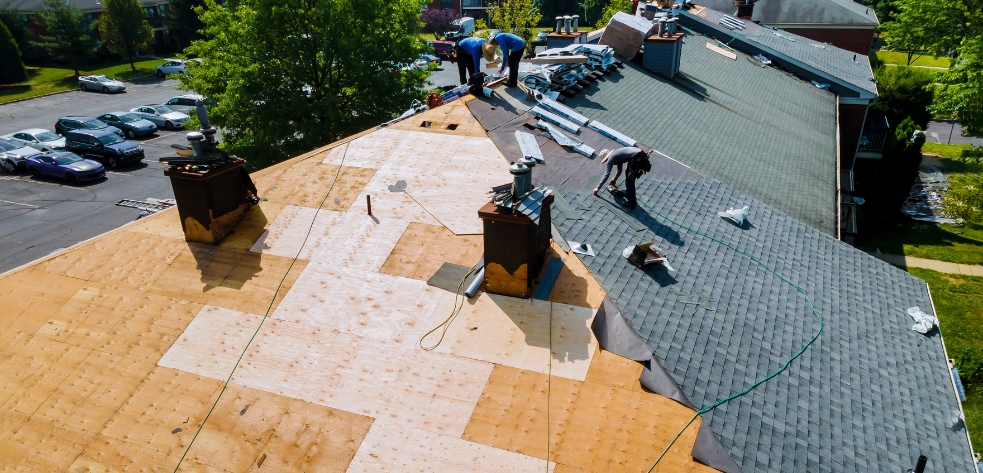
- Roof reinforcements or replacements
- Hurricane straps or clips
- Impact-resistant windows or doors
All work must meet program guidelines, so it’s important to partner with a contractor who understands coastal construction requirements and the Safe Home process.
Step 7: Submit for Reimbursement
Once the work is complete, you’ll submit:
- Paid invoices
- Proof of completed work
- Any required final documentation
After approval, funds are distributed based on your grant award.
A Few Things to Keep in Mind
- Funding is limited and not guaranteed
- Application windows can be competitive
- Not all improvements are covered
Planning ahead and moving quickly when applications open can make a big difference.
Need Help Navigating the Process?
The Safe Home Grant is a solid opportunity to invest in your home’s long-term resilience, but it helps to have someone in your corner who understands both the program and coastal construction. At Sea Island Residential, we work with Lowcountry homeowners to identify smart, durable upgrades that align with grant requirements, without overcomplicating the process.
If you’re considering applying or want to ensure your home is ready when the window opens, it’s worth starting the conversation early. Get in touch to learn more.