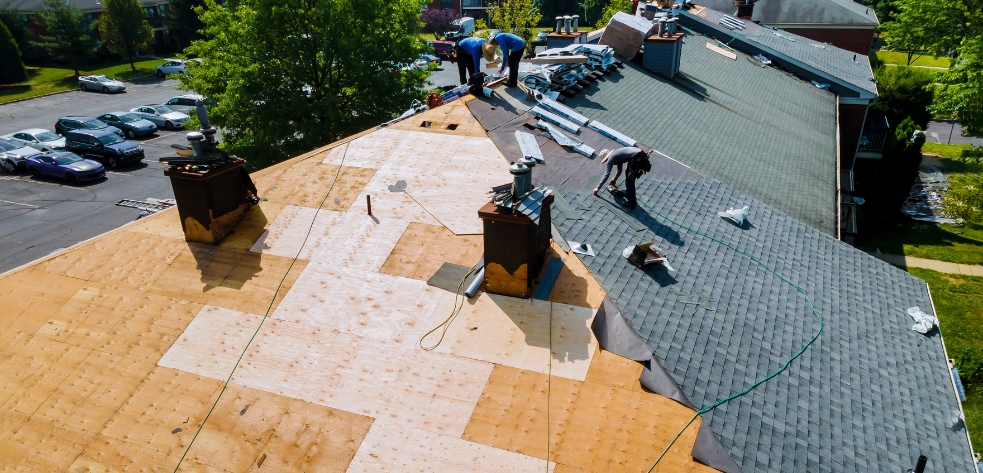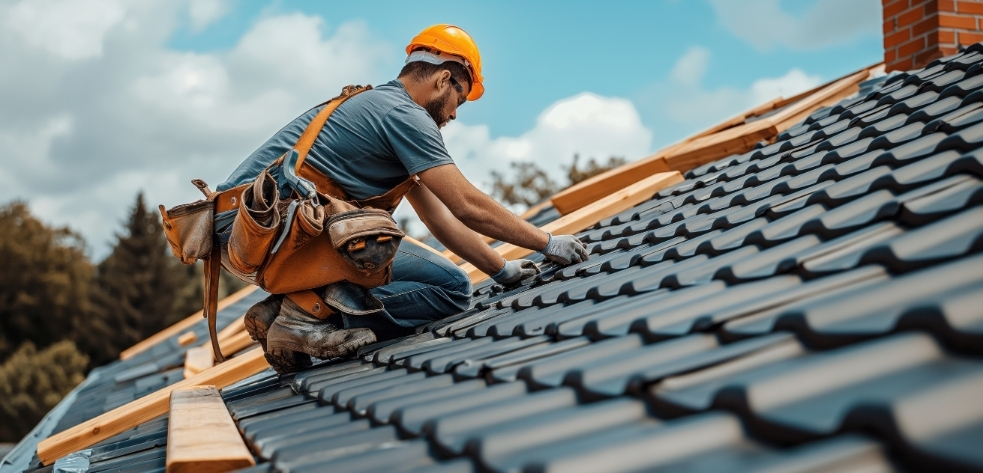
Living on the coast comes with its perks, but it also means dealing with storms and high winds that can negatively impact your home. Roofs are especially vulnerable. Even if everything looks fine from the ground, high winds can easily lift shingles, crack flashing, and compromise your roof’s integrity. Knowing what to look for after a windstorm can save you from costly repairs down the line.
In this blog, our Charleston roofing experts will explore how to spot signs of roof damage after high winds.
1. Look for Missing or Lifted Shingles
The most obvious sign of wind damage is missing, cracked, or lifted shingles. High winds can pry shingles loose, leaving your roof exposed to water damage.
- Tip: Inspect your roof from the ground with binoculars to spot any shingles that are out of place.
- Warning: Even a single lifted shingle can lead to leaks over time, so don’t ignore it.
2. Check for Debris on the Roof and Around Your Property
After a storm, roof debris often ends up on the ground, including shingles, granules, and broken tiles. This is a red flag that your roof has been compromised.
- Tip: Walk around your property and note any debris. This can help you identify the areas of damage and communicate effectively with your contractor.
3. Inspect Flashing and Vents
Wind can loosen or damage roof flashing, vents, and other protrusions. Damaged flashing allows water to seep in at vulnerable points, potentially causing interior leaks and structural damage.
- Tip: Look around chimneys, skylights, and roof valleys for bent or loose flashing.
- Action: Any loose metal flashing should be repaired immediately to prevent water intrusion.
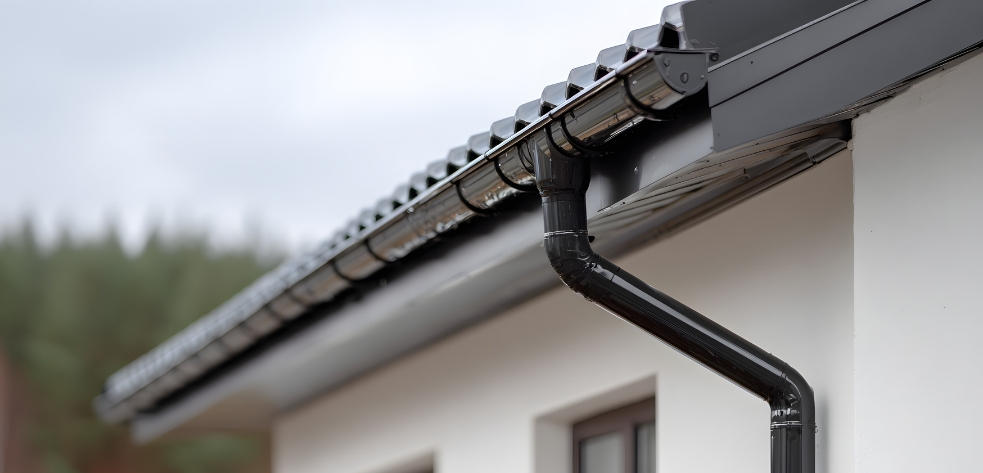
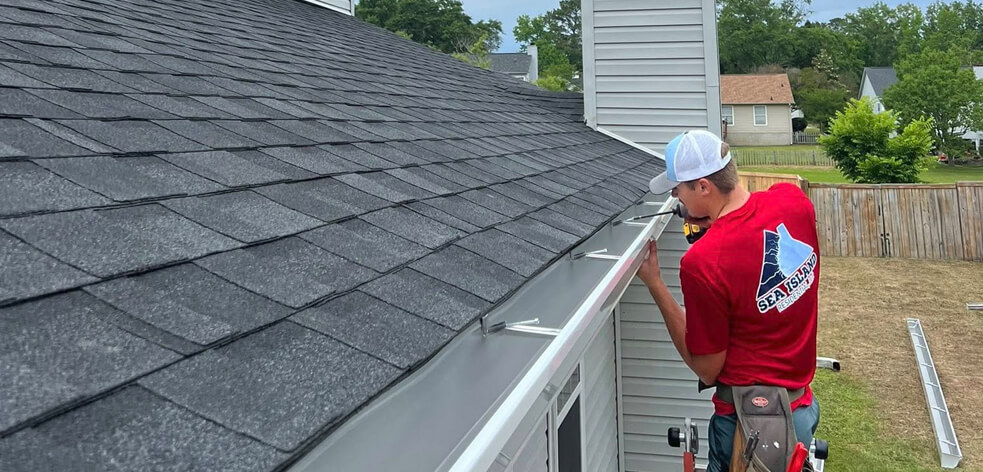
4. Examine the Gutters and Downspouts
High winds often blow shingle granules and other debris into gutters. Excess granules in gutters can indicate roof wear or missing shingles.
- Tip: Check gutters for granules, dents, or loosened attachments.
- Action: Clean gutters after storms and note recurring debris to spot patterns of roof damage.
5. Watch for Water Stains or Leaks Inside Your Home
Some roofing problems aren’t visible from the outside. Interior signs of roof damage include:
- Water stains on ceilings or walls
- Damp spots in the attic
- Mold or mildew growth
- Tip: Check your attic carefully, especially after a storm. Small leaks can worsen quickly if left unattended.
6. Check for Structural Damage
High winds can compromise your roof’s structure without apparent shingle damage. Signs to watch for include:
- Sagging rooflines
- Bowed roof decking
- Cracked or split rafters
- Tip: These issues usually require a professional inspection. Even minor structural damage can escalate, so don’t delay calling a local roofing company.
7. Call a Professional for a Thorough Inspection
While some damage is visible from the ground, a professional inspection ensures you don’t miss hidden problems. At Sea Island Residential, our Charleston area roofing service team provides detailed post-storm roof assessments to identify:
- Shingle or tile damage
- Flashing issues
- Structural compromise
- Potential water intrusion points
A professional eye can save you from costly repairs or the stress and expense of planning a new roof project.
Choose Sea Island Residential for All Your Charleston Roof Repair & Replacement Needs
High winds can damage your roof in ways you might not see immediately. By checking for lifted or missing shingles, inspecting flashing and vents, reviewing gutters for debris, and watching for interior water damage, you can catch problems early and protect your home.
After a storm, don’t wait—contact Sea Island Residential in Charleston, South Carolina, for a comprehensive roof inspection.
From asphalt shingles to metal roofing, our locally owned team of roofing contractors ensures your roof stays strong, safe, and ready for whatever comes next, whether through repairs or roof replacement.